I've awkwardly been recording pieces of my life on this blog, and I've envied the ease with which others (Quincy, Liz P., Danelle) record and share their important thoughts publicly. After finishing a long email to my dear Elizabeth Pinborough, I realized I can write on my blog like I write to her, as if the reader unconditionally accepts me and understands me. I will treat all my readers as the dearest of friends.
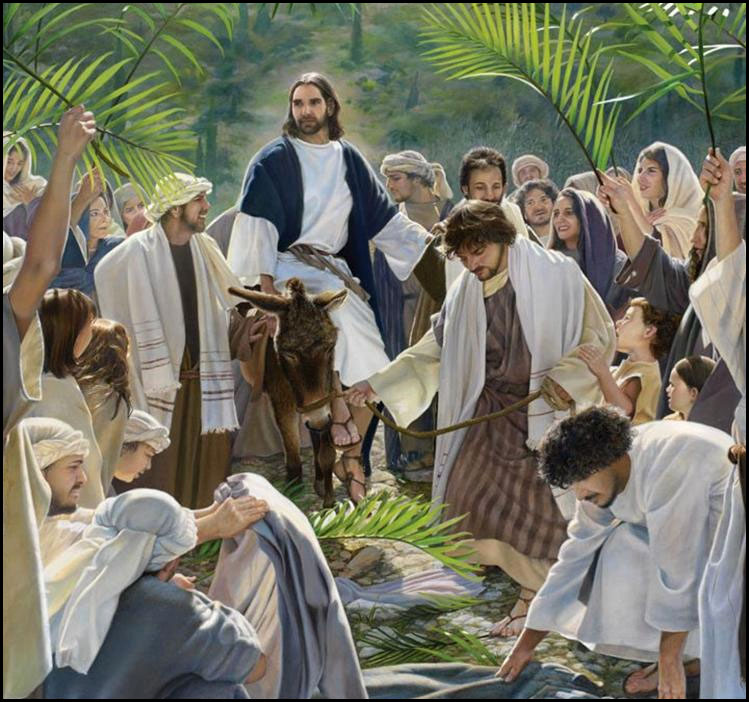
Easter was wonderful. I was so touched that I cried while I was singing in the choir (not the greatest coincidence of events). We had two other student families over for an amazing dinner, and we sat outside in the sun and talked about Easter traditions. I read the Gospels a lot this week, and received a new appreciation for the perfect way the events of Christ's life were arranged. I love the way every thing that was said and done was connected in imagery and meaning--everything comes back full circle. (It makes sense because it was all fulfilling prophecy.) Anyway, I suppose all life is like that to someone paying attention. It's that quality of connectedness that makes some literature great for me.
The bishop gave a talk on grace, and he said what I've heard so many times before and thought I knew--that the Atonement isn't just for sins, but also for pain, trials, suffering. This time it made a connection in me. That means that I can lean on the Lord for everything I'm struggling with. I can pray in my mind to Jesus and Father for help at each moment these issues confront me, and immediately feel like They are listening and helping me. I have never "used" the Atonement like this.
This "instant prayer" process is something I've been working on for awhile, but I never connected it to Christ's suffering until Easter. I used to pray for help because I knew God would help me, but I didn't think of Christ suffering for each experience in the Garden. When I think, "Please help me," and then remember the great love the Lord had as He suffered for me--that changes me.